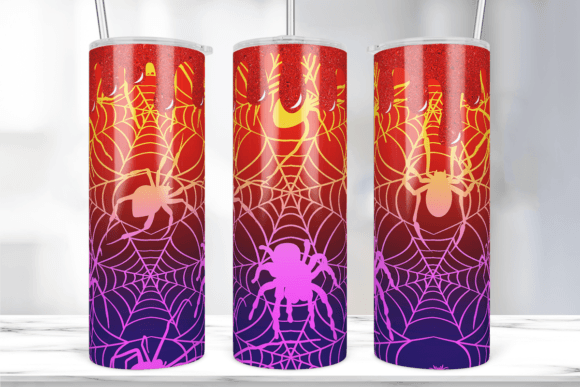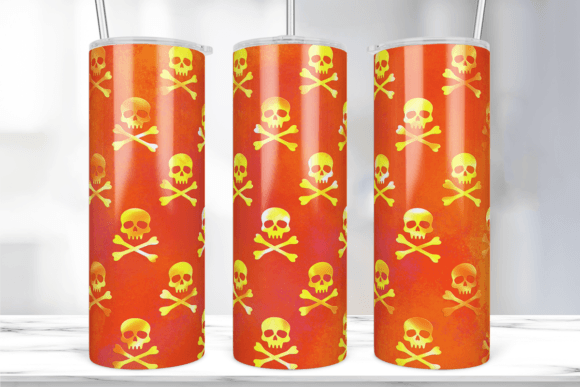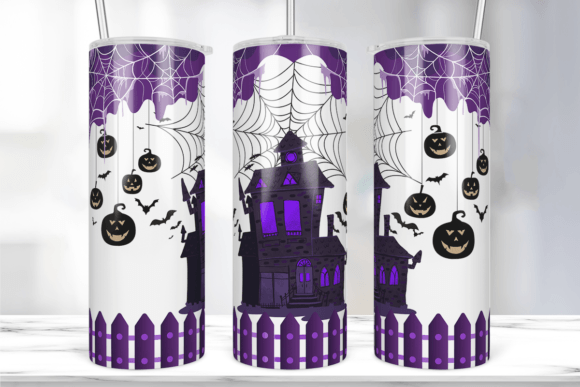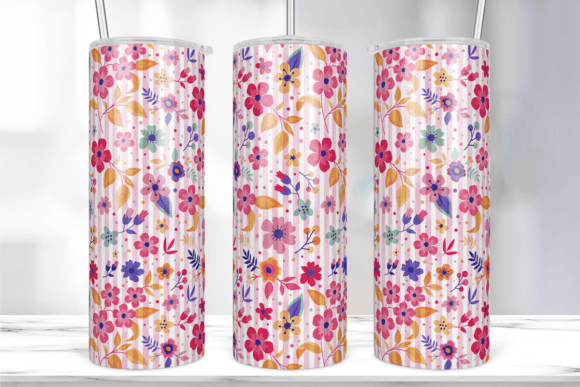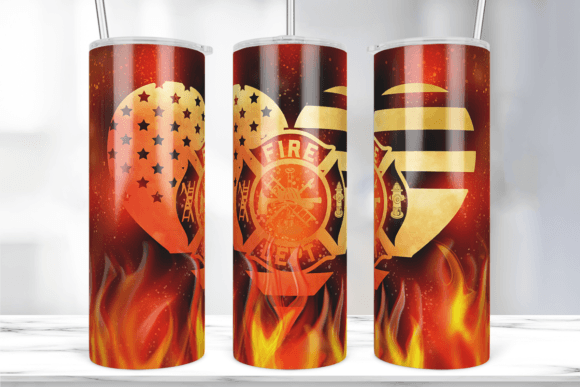
Fire Department Tumbler Wrap
As a designer who’s stitched over 300 custom embroidery projects—from firefighter-themed baby onesies to boutique aprons for local fire stations—I opened the Fire Department Tumbler Wrap file expecting something functional, but what stood out immediately was its quiet confidence. It doesn’t shout “emergency!” with flashing sirens or cartoon flames. Instead, it leans into clean geometry: bold lettering stacked vertically, a subtle badge outline, and balanced negative space that breathes on fabric just as easily as it wraps around a tumbler. That restraint is rare—and valuable—when you’re translating a digital graphic into thread.
Last week, I used the Fire Department Tumbler Wrap as the anchor motif for a set of embroidered cotton tea towels destined for a volunteer fire department’s holiday fundraiser. I resized it slightly (keeping proportions locked), converted it to an embroidery file using my standard digitizing workflow, and ran test stitches on medium-weight linen-cotton blend. The result? Crisp satin-stitched letters held shape without puckering; the outer badge contour translated cleanly into a gentle running stitch border—not too dense, not too sparse. It felt like a design built for longevity, not just novelty.
This isn’t a one-trick graphic. Its strength lies in adaptability across real-world embroidery contexts:
- Custom apparel: Works cleanly on sweatshirt chest placements and left-chest cap fronts—especially when scaled down to 3.5" wide. The vertical rhythm keeps it legible even on curved surfaces.
- Tote bag design: Centered on natural canvas, it reads as intentional branding—not a last-minute add-on. Pair it with a simple running-stitch border for texture contrast.
- Baby embroidery: On a 100% cotton receiving blanket, I softened the fill stitch density by 15% and swapped metallic thread for matte polyester. It kept the pride intact while feeling gentle and safe.
- Embroidered patch: When stitched onto twill backing and heat-sealed, the design’s clean edges minimized fraying during cut-and-sew. No extra cleanup needed.
- Holiday embroidery: Used on a navy fleece pillow cover for a firefighter’s retirement gift, it landed as warm and dignified—not kitschy.
That said, the Fire Department Tumbler Wrap asks for thoughtful handling in specific scenarios. It’s not ideal for ultra-small hoop sizes (under 4") without simplification—the inner badge detail can blur if shrunk below 2.75". On thin or stretchy fabric like jersey or lightweight rayon, use cutaway stabilizer and reduce stitch density slightly to avoid distortion. Dark fabric demands high-contrast thread choices: navy + bright yellow or black + reflective silver pop without overwhelming. And while it handles frequent washing well (thanks to its open layout and moderate fill areas), avoid layering it directly over seams or zippers where tension shifts could distort registration.
What really elevates this beyond generic Print Templates is how it supports perception—not just decoration. When stitched onto a handmade product, the Fire Department Tumbler Wrap subtly signals professionalism and care. Customers notice the spacing between letters, the consistency of line weight, the absence of jagged vector artifacts. That translates directly to trust: a parent buying a firefighter-themed baby bib feels reassured by its precision; an Etsy seller listing a custom cap knows buyers will recognize the craftsmanship behind the stitch count.
For craft business owners and digital product sellers, this design also works beautifully as part of a cohesive collection. Pair it with simple helmet silhouettes or “Proud Supporter” banners—same stroke weight, same visual cadence—and your shop tells a unified story. As a Graphics asset, it holds up in printable mockups too: renders cleanly in grayscale previews, scales cleanly for social media banners, and maintains legibility in thumbnail size—critical for Etsy search visibility.
Before stitching your first Fire Department Tumbler Wrap project, here’s what I always do:
- Test on scrap fabric matching your final substrate—especially if using textured, dark, or stretchy material.
- Check thread color contrast in natural light *and* under indoor lighting. What reads bold at noon may fade under kitchen LEDs.
- Review stitch density in your embroidery software. If fill areas feel heavy, reduce by 8–12%—especially for baby or delicate items.
- Confirm hoop size compatibility. This design fits comfortably in a 5"x7" hoop at full scale—but verify before hooping live fabric.
- Inspect small details at 200% zoom: corners, letter terminals, badge outline continuity. Any vector artifact will amplify in thread.
- Run a black-and-white mockup. If it loses hierarchy or balance without color, adjust spacing or weight before digitizing.
- Compare performance on light vs. dark backgrounds. Some designs gain authority on black; this one gains warmth on cream.
- Use appropriate stabilizer—cutaway for knits, tear-away for stable wovens, fusible for lightweight linens.
- Double-check licensing terms. Since this is a digital embroidery file intended for commercial embroidery and finished product resale, confirm usage rights before listing on Etsy or bundling in craft kits.
The Fire Department Tumbler Wrap won’t replace your go-to script monogram or floral border—but it fills a quiet, meaningful niche: respectful, recognizable, and ready for real life. Whether you're embroidering a tribute tote for a retiring captain, personalizing a child’s backpack for Fire Prevention Week, or building a consistent brand identity for your small shop, it delivers clarity without compromise. In a market flooded with loud, over-digitized graphics, that kind of thoughtful restraint is the mark of a truly useful design asset.