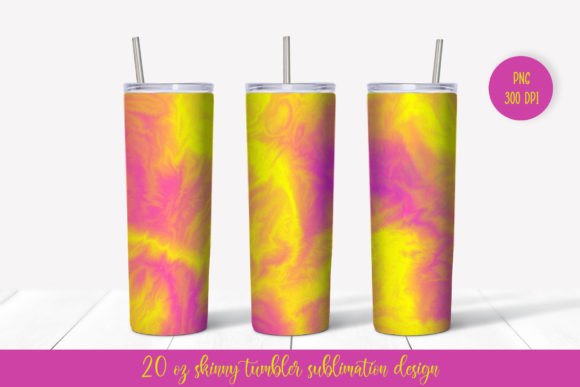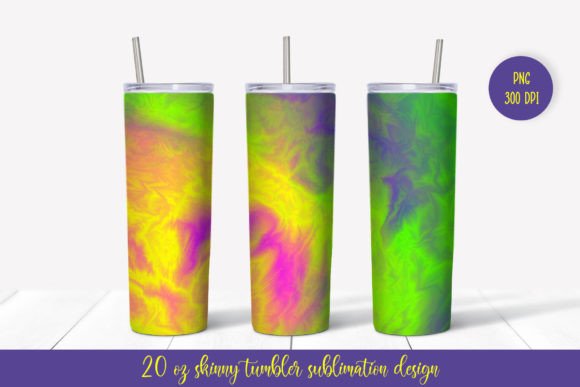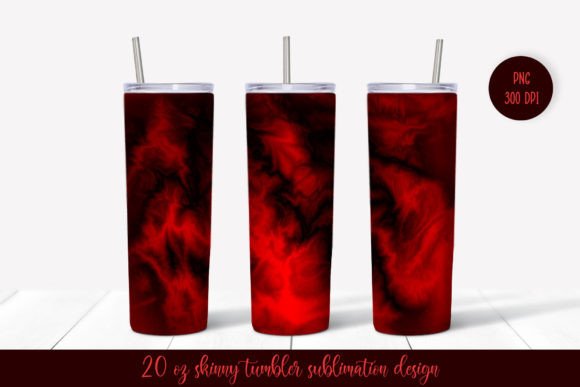
Red Fire Flame Tumbler Sublimation Wrap
First Impressions: Bold, Energetic, and Surprisingly Versatile
When I opened the Red Fire Flame Tumbler Sublimation Wrap files, my immediate thought wasn’t “this is for tumblers”—it was “this is a mood.” The flame motif pulses with movement: sharp upward flicks, layered gradients in the PNGs suggest depth, and the tapered version subtly follows contour flow. It’s not cartoonish or overly stylized—it lands somewhere between modern illustrative energy and timeless fire symbolism. As an embroidery designer who tests hundreds of digital assets yearly, I appreciate that this isn’t just heat-shaped noise. There’s rhythm in the curves, intentional negative space around the core shape, and a confident scale that reads well even at reduced sizes.
A Real-World Test: Embroidering It onto a Linen-Cotton Apron
Last week, I used Red Fire Flame Tumbler Sublimation Wrap as the centerpiece for a small-batch apron line—handmade for a local café pop-up. Since the design came only as PNGs (not native embroidery files), I digitized it myself using medium-density fill stitch for the main flame body and satin stitch for the outer edges. On tightly woven linen-cotton blend, the result was crisp, dimensional, and unexpectedly warm—not just visually, but tactilely. Customers gravitated to it instantly. One barista said, “It feels like the espresso machine has its own personality now.” That kind of emotional resonance matters more than perfect symmetry when you’re building a handmade product brand.
Where It Shines—and Where It Needs Thoughtful Handling
This design thrives on structured, medium-weight fabrics: denim jackets, canvas tote bags, twill caps, cotton tea towels, and quilted pillow covers. Its vertical emphasis and clean silhouette make it ideal for center-chest placements on sweatshirts or left-chest embroidery on workwear. I’ve also adapted it successfully as an embroidered patch—stitched onto denim sleeves and baby overalls—but only after simplifying the inner flame layers to avoid overcrowding at 3.5" height.
That said, proceed carefully on:
- Stretchy fabrics—like jersey knits—without cutaway stabilizer underneath; the flame’s taper can distort under tension;
- Dark or textured backgrounds, especially black terrycloth or bouclé—test contrast with thread colors first (a burnt orange or deep rust works better than true red on charcoal);
- Curved surfaces like baseball caps—use the tapered PNG as a visual guide, but don’t assume it’ll stitch cleanly without re-digitizing for cap hoops;
- Baby items—while gentle in theme, the flame’s sharp tips need rounding for safety and comfort on onesies or burp cloths;
- Frequent-wash products like kitchen towels—confirm stitch density isn’t so high it’ll stiffen or crack after repeated laundering.
Design Integrity Meets Commercial Practicality
As an Etsy seller and craft fair vendor, I judge designs not just by aesthetics but by how they affect perceived value and buyer trust. Red Fire Flame Tumbler Sublimation Wrap elevates a simple tote bag into something collectible—it signals intention, not just decoration. When used on personalized gifts (think: “Barista Edition” mugs with matching embroidered coasters), it strengthens brand consistency across physical and digital touchpoints. And because it’s delivered as clean, transparent-background PNGs, it integrates smoothly into printable mockups—essential for listing clarity on your shop page or social previews.
But here’s what separates good from great: this design doesn’t scream “sublimation.” Its strength lies in translation. You can use it as-is for heat transfer, yes—but its shape, balance, and implied motion make it equally effective as a machine embroidery design, applique template, or even hand-embroidered motif. That flexibility is gold for creative entrepreneurs juggling multiple product lines.
Practical Designer Notes Before You Stitch
Before committing to a full run—or uploading to your digital product store—here’s what I do every time with assets like Red Fire Flame Tumbler Sublimation Wrap:
- Test on scrap fabric *exactly* like your final product—same weave, weight, and dye lot if possible;
- Check thread color contrast in both natural and artificial light—some reds fade or dull on certain cottons;
- Review stitch density in your digitizing software—avoid filling tight corners too densely; let the flame breathe;
- Confirm hoop size compatibility: the rectangular 9.3x8.2" version demands a large-format hoop or multi-hooping plan;
- Inspect fine details at 200% zoom—if you’re scaling down for baby embroidery or patches, simplify or eliminate thin interior lines;
- Run black-and-white mockups alongside color versions—this reveals clarity issues invisible in RGB;
- Use tear-away + cutaway stabilizer combo for dense areas, especially on lightweight fabrics;
- Verify licensing terms before selling finished items or reselling the digital file—this listing falls under Illustrations/Graphics, but commercial use rights must be confirmed directly with the creator;
- Ask yourself: does this support my brand voice? For fiery, bold, artisanal, or energetic identities—yes. For minimalist, vintage, or ultra-soft aesthetics—consider adapting tone or scale first.
Final Thought: Not Just a Flame—A Design Anchor
Red Fire Flame Tumbler Sublimation Wrap isn’t background filler. It’s a focal point with presence—one that earns attention without shouting. Whether stitched onto a holiday gift apron, printed on a boutique tumbler, or digitized for a limited-run embroidered sweatshirt collection, it carries weight. It says something about craftsmanship, energy, and intention. For embroidery designers, craft business owners, and makers building real products—not just pixels—this is the kind of asset that pays off in repeat customers, Instagram tags, and that quiet satisfaction of knowing your design didn’t just land… it landed *right*.